When a car fails its MOT, many drivers feel unsure about what happens next — can you still drive, how soon repairs are needed, and what the retest rules are.
This guide explains each stage in simple terms so you know exactly what to expect after a fail. It also highlights the legal limits, your repair options, and how the test centre decides the fail category.
Instantly find your Car’s MOT History Online
What an MOT Fail Means
An MOT fail means your car didn’t meet the minimum safety or emission standards during the test. The tester records each fault on the report so you can see exactly why the vehicle didn’t pass.
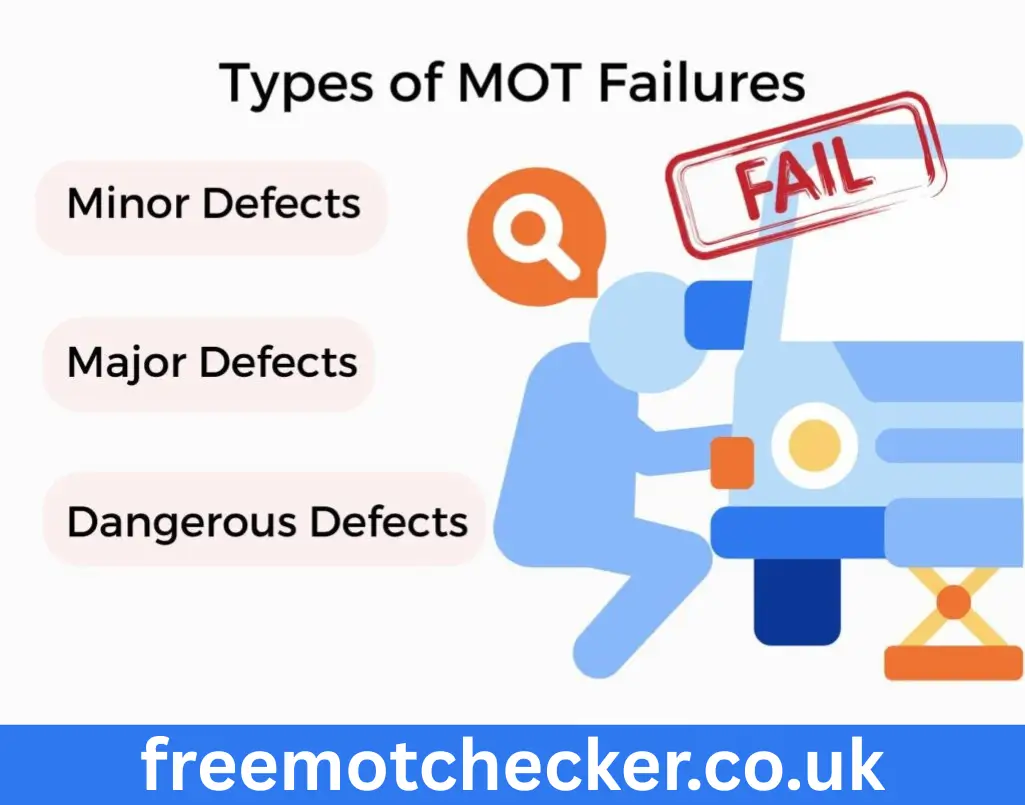
The result will fall into one of these categories:
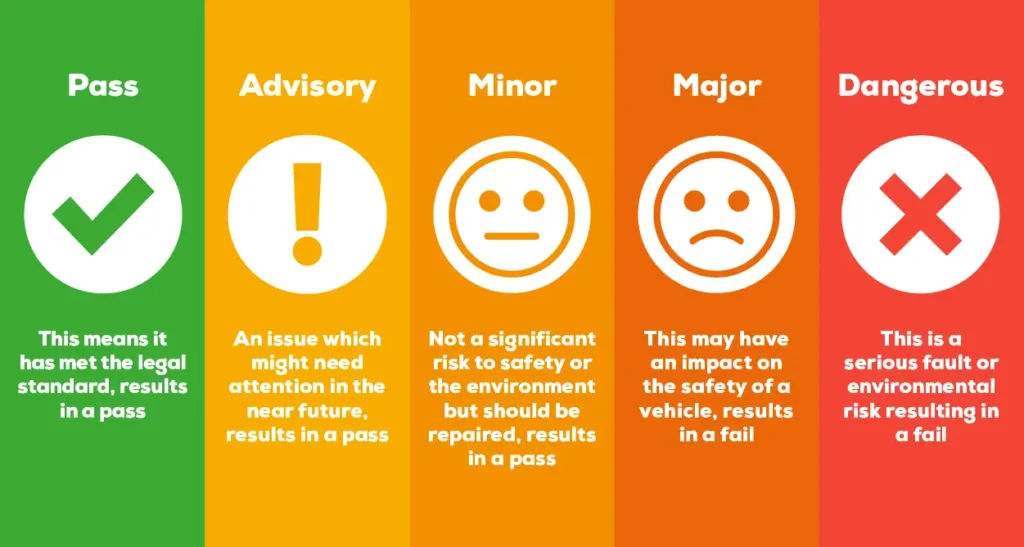
- Minor issues: These do not cause a fail. They are warnings that should be fixed soon, but you still get a pass.
- Major issues: These cause an automatic fail. The car can usually be driven away if it’s still roadworthy, but the faults must be repaired before a retest.
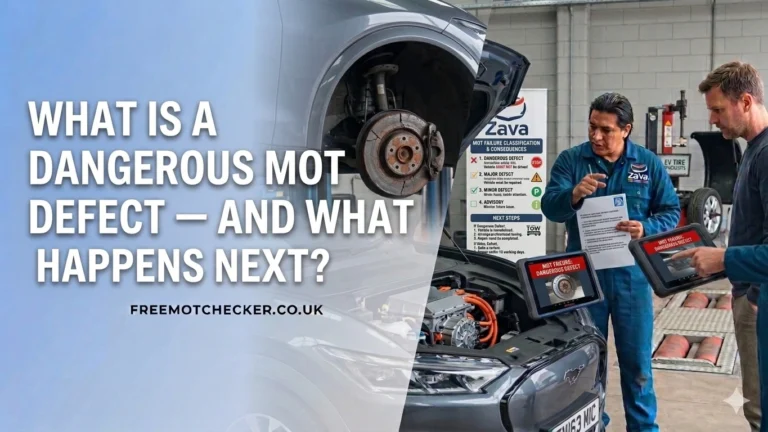
- Dangerous issues: These are serious faults. The car cannot be driven on the road at all. Taking it away is only allowed using recovery or a tow truck.
Immediate Steps After an MOT Fail
Right after the test, the centre gives you a document showing each fault found. This is your main reference for repairs and retesting, so keep it safe.
Here’s what you should do next:
These steps help you understand your legal position and prepare for repairs without confusion.
Can You Still Drive Your Car After a Fail?
Whether you can drive the car after an MOT fail depends on how the faults are classified. The rules are strict, and misunderstanding them can lead to fines or points on your licence.
Driving after a Major Fail
If the faults are major but the car is still considered safe, you can usually drive it away. This applies only when the previous MOT was still valid. You must go straight for repairs and return for a retest afterward.
Also Read > What Gets Checked on an MOT
Driving after a Dangerous Fail
If the tester marks any fault as dangerous, the car cannot be driven on the road. It must stay at the test centre until repaired, or you must use recovery to move it. Driving a vehicle with a dangerous fail can lead to penalties and insurance issues.
Driving to a Pre-Booked Repair or Test
You can drive the car to a pre-booked repair or MOT test appointment if it’s safe to do so and does not have dangerous faults. Keep proof of your booking in case you’re stopped.
What you Should do After Failing an MOT?
Once your car fails, you have a few clear choices for what to do next. Each option affects timing, costs, and how soon you can get the car back on the road.
These options help you decide the most practical next step based on the fault type, repair needs, and your budget.
Costs After an MOT Fail
Understanding the possible expenses helps you plan repairs and avoid paying more than needed. The cost depends on what failed and how the retest is handled.
| Cost Type | What It Means | Typical Situation |
|---|---|---|
| Repair Costs | Price depends on the parts and labour needed. Small items cost less, bigger faults cost more. | Bulbs, wipers, small fixes = low cost. Brakes, suspension, tyres, electrical faults = higher cost. |
| Free Retest | No fee for the retest. | Car stays at the same test centre and is retested within the allowed time. |
| Reduced Retest Fee | Lower fee compared to a full test. | Car is taken away for repairs and returned within 10 working days. |
| Full MOT Fee | Full MOT charge applies again. | Car doesn’t qualify for a partial retest or is returned after the 10-day window. |
How Partial Retests Work
A partial MOT retest lets the centre check only the items that caused the fail. This saves time and can reduce costs if you return within the allowed period.
You can qualify for a free retest if the car stays at the same test centre for repairs and is tested again within 10 working days. The vehicle must not leave the premises during this time.
Common Reasons Cars Fail MOT
Knowing the usual problem areas helps you understand why the fail happened and what to check before the retest. These are the faults that appear most often on MOT reports across the UK.
- Brakes: Worn pads, damaged discs, low brake fluid or imbalance across wheels.
- Tyres: Low tread depth, sidewall damage, cuts, or incorrect tyre size.
- Lights and indicators: Blown bulbs, poor alignment, or lights not bright enough.
- Suspension: Leaking shocks, broken springs, or worn suspension components.
- Windscreen and wipers: Cracks in the driver’s view, chips over the allowed size, or wipers not clearing the screen properly.
These points help you understand what likely caused the fail and what to focus on before taking the car back for a retest.
What to Do If Your MOT Expires Before Fixing the Issues
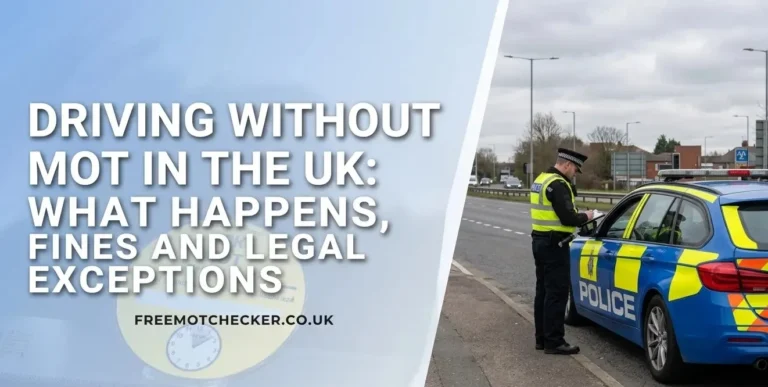
When your MOT has already expired and the car has failed, you must follow the legal rules carefully. Driving without a valid MOT can lead to fines and problems with insurance.
- Normal driving is not allowed once the MOT has expired.
- You can drive only to a pre-booked repair if the car is still safe and doesn’t have dangerous faults.
- You can drive to a pre-booked MOT test under the same conditions.
- ANPR cameras can flag vehicles without a valid MOT, which may lead to penalties.
- If the car has dangerous faults, arrange recovery or a tow truck instead of driving.
Conclusion:
An MOT fail doesn’t mean the process has to be difficult. Once you understand the fault type, the legal rules for driving, and your repair options, you can get the car ready for a retest without confusion. Staying within the allowed time for partial retests also helps you avoid extra costs.
Frequently Asked Questions
Can you drive a car home after an MOT fail?
Yes, but only if the faults are major and the car is still safe. You cannot drive it if any fault is marked dangerous.
How long do I have to fix MOT failures?
There is no set limit for repairs, but you must return within the allowed retest window to avoid paying a full MOT fee again.
Do minor faults cause an MOT fail?
No. Minor issues are advisory notes. They should be fixed soon but do not stop the car from passing.
Is a partial retest cheaper?
Yes. It is free if the car stays at the same centre. If you take it away and return within 10 working days, you usually pay a reduced fee.
What happens if I ignore an MOT fail?
The car cannot legally be used on the road once its MOT expires. ANPR systems can flag it, and insurance claims may be affected.